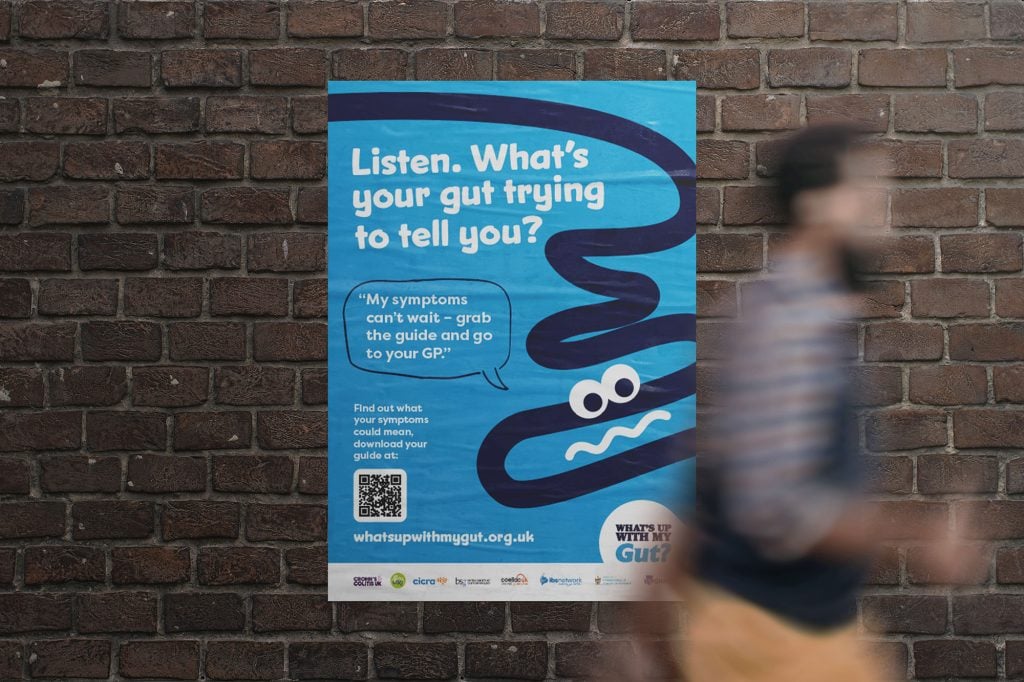

When a paid social campaign begins to lose momentum, creative fatigue is often the first diagnosis. Engagement drops, click-through rates decline and costs start to rise, so the natural response is to refresh the ads. New visuals are commissioned, headlines are rewritten and the campaign is given a fresh look.
Sometimes, that is exactly what it needs. However, declining performance is not always a sign that the design has stopped working. It can also reveal a wider issue with the campaign’s messaging, audience or overall strategy.
Recognising creative fatigue
Creative fatigue happens when an audience becomes less responsive to an advert after seeing it repeatedly. It might show up as lower engagement, an increasing cost per click or a gradual decline in conversions.
This can be particularly common in B2B paid social campaigns, where audiences are often tightly defined according to job title, industry, seniority or company size. Precise targeting can make a campaign highly relevant, but it can also mean the same group of people sees the same ads several times over a relatively short period.
Refreshing the visuals may create an initial improvement, but that uplift is unlikely to last if the audience, message and offer remain unchanged. Before assuming the design is the problem, it is worth looking at what the campaign is communicating and who it is repeatedly communicating it to.
The audience may be tired of the message, not the design
A campaign can include several visually different ads and still feel repetitive. Changing the image, layout or headline will only go so far if every advert communicates the same benefit, uses the same proof point and asks the audience to take the same action.
This is message fatigue. The audience may not need another version of the same advert; they may need another reason to pay attention.
Instead of relying on one central message, consider the different questions and concerns a potential customer might have. One advert could focus on the problem your service solves, while another demonstrates the results you have achieved. Others might address a common objection, share useful insight or highlight a particular feature or benefit.
This does not mean trying to say everything at once. It means developing a campaign with enough depth to remain useful and relevant over time.
Your audience could be saturated
The issue may also be the size or structure of the audience. In niche B2B markets, there is a limit to how many times you can reach the same people before additional impressions stop adding value.
If frequency is rising while performance is falling, creating another advert may simply place a new design in front of an already saturated audience. At that stage, the better question is whether the campaign can reach beyond the original targeting criteria.
There may be additional decision-makers, influencers or users involved in the buying process. You might also be able to engage potential customers earlier, before they are actively comparing suppliers or ready to speak to a sales team.
Expanding an audience should always be considered carefully, but targeting too narrowly can be just as limiting as targeting too broadly.
The campaign may need more than one route to conversion
B2B buying journeys are rarely immediate. Someone might find your content useful without being ready to request a demonstration, arrange a consultation or complete an enquiry form.
When every advert pushes the same conversion-focused call to action, the campaign can quickly become repetitive. It may also overlook people who are interested but still gathering information or building an internal business case.
Introducing different content and calls to action can help the campaign support more of the buying journey. Educational articles, practical guides, customer stories and expert insights can build familiarity and trust before asking someone to take a more significant next step.
It is also important to look beyond the advertising platform. If people continue to click but are no longer converting, the creative may still be doing its job. The source of friction could be the landing page, the offer, the form or the follow-up process.
The takeaway
Ad fatigue is not always solved by producing more creative. Falling performance can point to a wider issue with the audience, message, customer journey or campaign strategy.
At Wrapped, we help brands look beyond surface-level metrics to understand what is really affecting performance. By combining paid media, strategy, creative and customer insight, we can identify where campaigns are losing momentum and what needs to change to get them moving again.