
By Chloe Harrison, Social Media Strategist at Wrapped Agency
For CMOs in regulated sectors, industry events are a serious investment.
Whether it’s a healthcare or fintech event, the audience inside the exhibition hall is highly targeted and commercially valuable. However, it is relatively limited. Even the largest global events only bring together a few thousand people in one place.
The real opportunity sits beyond the venue.
Social media allows you to extend that audience to a much wider network. It puts your brand in front of prospective clients who are not attending, stakeholders who are observing from a distance, and organisations you want to build relationships with long before you meet them in person.
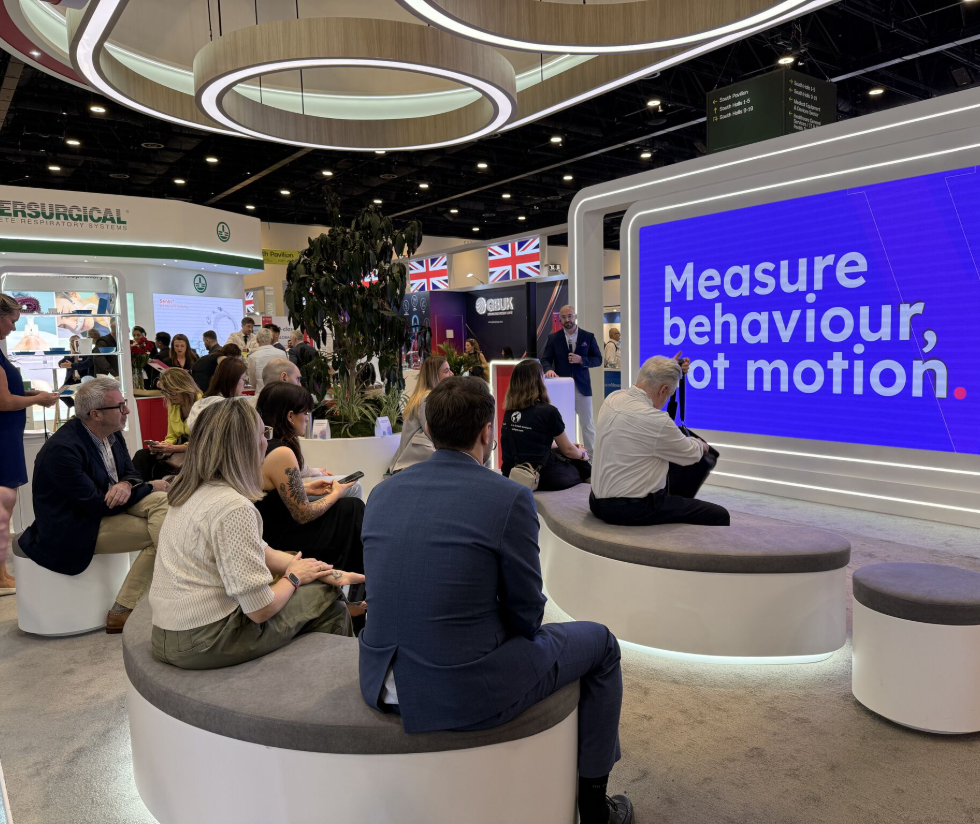
We saw this clearly during our time at WHX Dubai, one of the world’s largest healthcare events. What stood out was not who had the biggest stand or the most visible branding. It was who had built familiarity before arriving, who reinforced it during the event, and who will continue to build on it now they are back.
In regulated sectors, where trust takes time and scrutiny is high, that consistency is what drives results.
Industry events are short. Visibility should not be.
A conference lasts a few days. Your visibility should last months. Many brands still treat events as isolated moments. The budget is focused on attendance, stand design, and logistics. Social media is often reactive or secondary.
The brands that generated the most meaningful conversations at WHX Dubai did the opposite. They made sure their target audience knew who they were before the event started. That familiarity was built deliberately in the weeks and months leading up to the event through consistent, targeted social activity.
A practical approach to event marketing on LinkedIn
Build familiarity before the event: In the run-up to WHX Dubai, our focus was simple. Be visible to the right people.
Using LinkedIn, we connected with organisations and senior leaders we wanted to engage with. This was done both through the Wrapped company page and individual profiles. We engaged with their content, shared relevant perspectives on the event, and referenced the organisations we were planning to meet.
This was not about volume, it was about relevance.The goal was to appear in their feed before appearing in front of them. For CMOs in regulated industries, this matters. Recognition reduces friction. Conversations start faster when there is already a level of familiarity.
Reinforce your presence during the event: During WHX Dubai, LinkedIn became an extension of the event itself.
We shared observations from the floor, highlighted organisations doing interesting work, and contributed informed perspectives rather than promotional updates.
At the same time, Mark delivered a session at the event, reinforcing our expertise in regulated sectors. This was amplified on LinkedIn and published on YouTube, allowing the content to reach a wider audience beyond those in the room.
This approach ensured visibility with both audiences. Those attending in person and those following remotely. For global events like WHX Dubai, this is critical. Your digital audience will often be significantly larger than your physical one.
Sustain momentum after the event: This is where many brands lose value. After the event, attention shifts quickly. Follow-up becomes generic. Conversations lose context. Instead, post-event activity should be structured.
We segmented conversations, followed up with relevant and personalised outreach, and continued engaging with key organisations on LinkedIn. Visibility did not stop when the event ended.
For CMOs, this is where long-term return is built. In regulated sectors, decisions are rarely immediate. Relationships develop over time. Social media helps maintain visibility and credibility long after the event has finished.
Turning event attendance into long-term positioning
Attending an industry event gives your brand presence, but presence alone is not enough.
Positioning is what drives commercial impact. It is built through repeated visibility, consistent messaging, and ongoing engagement with the right audience.
Social media plays a central role in this. It connects pre-event strategy, live activity, and post-event follow-up into one continuous narrative.
The brands that see the strongest return from events are not just those who show up well on the day. They are the ones who show up before, during, and after in a way that builds recognition and trust.
For CMOs in regulated sectors, that is the difference between attending an event and owning a position within it.